

Moth Ki Masjid, also called Moth Mosque, is a historic mosque in Masjid Moth village in South Extension Part II, South Delhi. Its Lodi-era origins and distinctive stonework make it a notable stop among the historical places in New Delhi; it is about 1.4 km from this hotel in New Delhi.
- Location: Masjid Moth village, South Extension Part II, South Delhi.
- Historical dates: Accounts place its construction between 1488 and 1505.
- Architecture: A raised platform, red sandstone gate and a prayer chamber with five arched openings.
- Visiting pattern: Delhi Tourism gives visiting hours as sunrise to sunset, all days.
Where is Moth Ki Masjid?
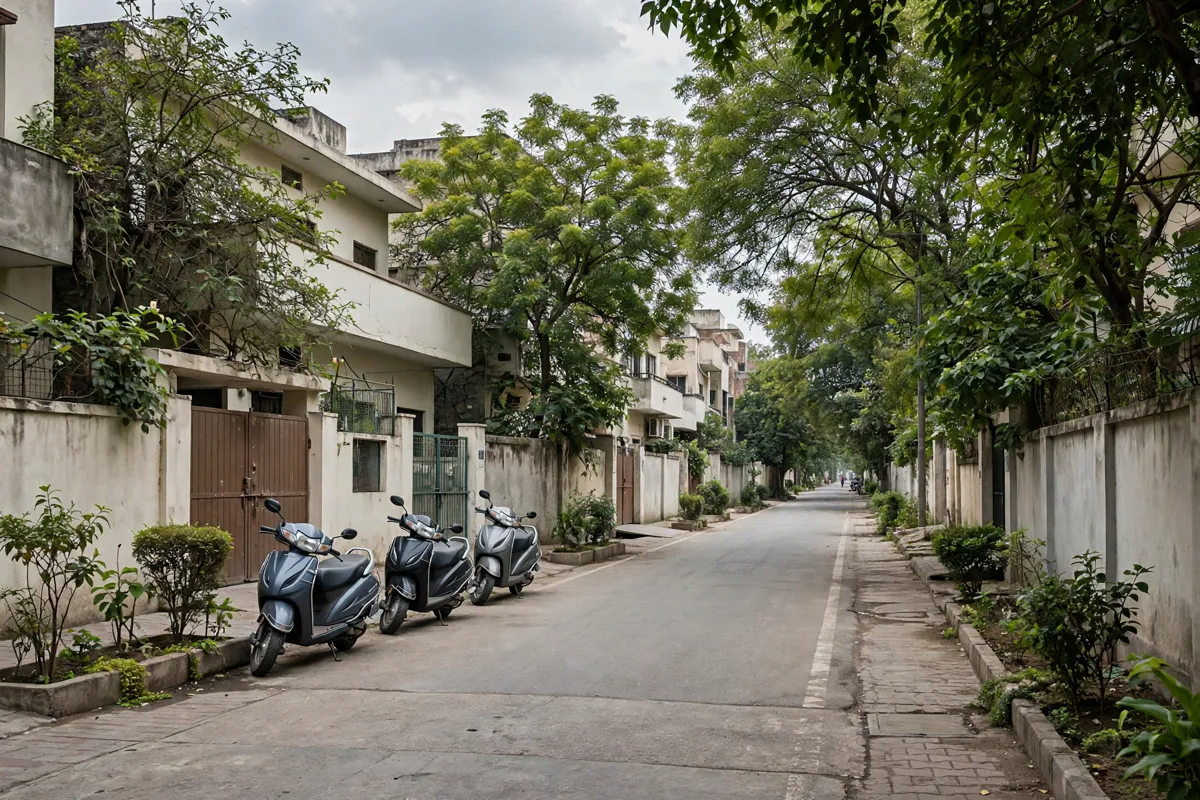
Moth Ki Masjid stands in Masjid Moth village in South Extension Part II, South Delhi. The National Monuments Authority record places it in South Extension II, Masjid Moth Village. Delhi Tourism identifies South Extension station on the Pink Line as the nearest metro station.
From Park Residency, the mosque is about 1.4 km away. Safdarjung’s Tomb is another historic monument in New Delhi, with gardens and visitor information covered in its guide to tickets, gardens and visiting.
What is Moth Ki Masjid’s history?
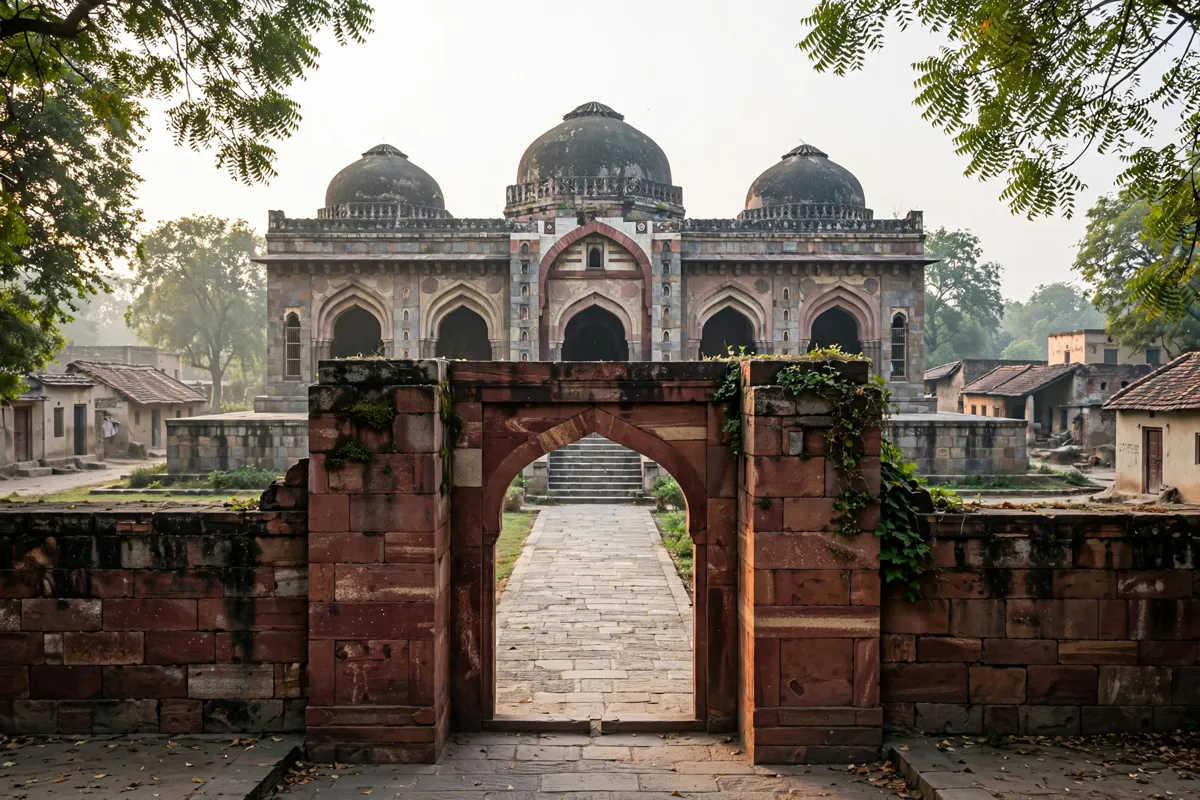
Moth Ki Masjid is a Lodi-dynasty mosque associated with Miran Bhoya, a minister of Sikandar Lodi. Delhi Tourism dates the mosque to 1505, while an Archaeological Survey of India (ASI) historical account gives 894 A.H. (1488 A.D.) and places its construction in Sikandar Shah Lodi’s reign.
The ASI inventory identifies Miran Bhoya as the builder and gives Sikandar Lodi’s reign as 1489–1517.
Delhi Tourism recounts a tradition that the name means “Lentil Mosque” and that proceeds from a lentil harvest funded construction. The story is presented as a legend, rather than as a confirmed account of the building’s financing.
The mosque is protected by the Archaeological Survey of India. The National Monuments Authority gives 1906 as its year of protection; the ASI inventory records a notification dated 18 November 1906.
What should you look for in the architecture?
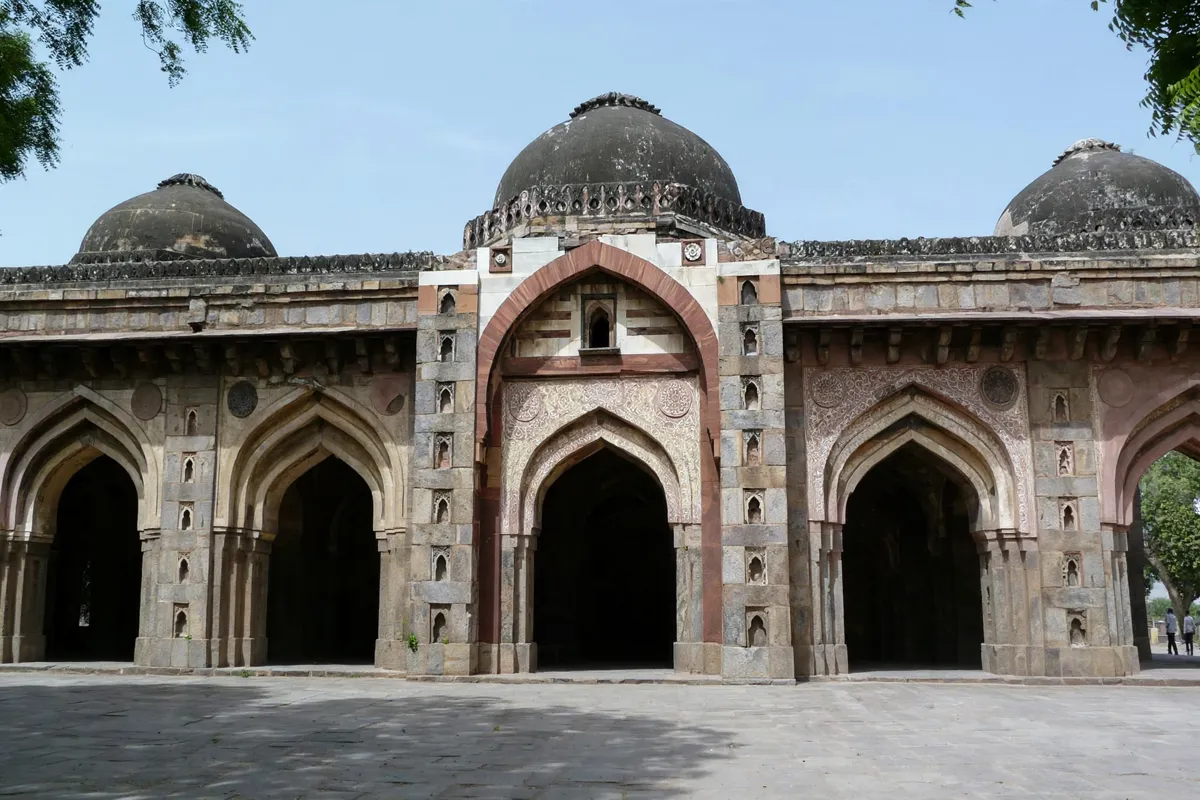
The mosque stands on a high platform, with a red sandstone gate on its eastern side. Its prayer chamber is faced with grey stone ashlar and has five arched openings. The central opening, made of red sandstone, carries marble ornamentation, with a small window above the arch.
Look across the prayer chamber for its three domes. The ASI inventory also records Quranic inscriptions in Naskh characters at the central mihrab and incised plaster on the ceilings of the end bays. These details offer a closer view of the materials and decorative work described in the monument’s record.
How do you plan a visit?
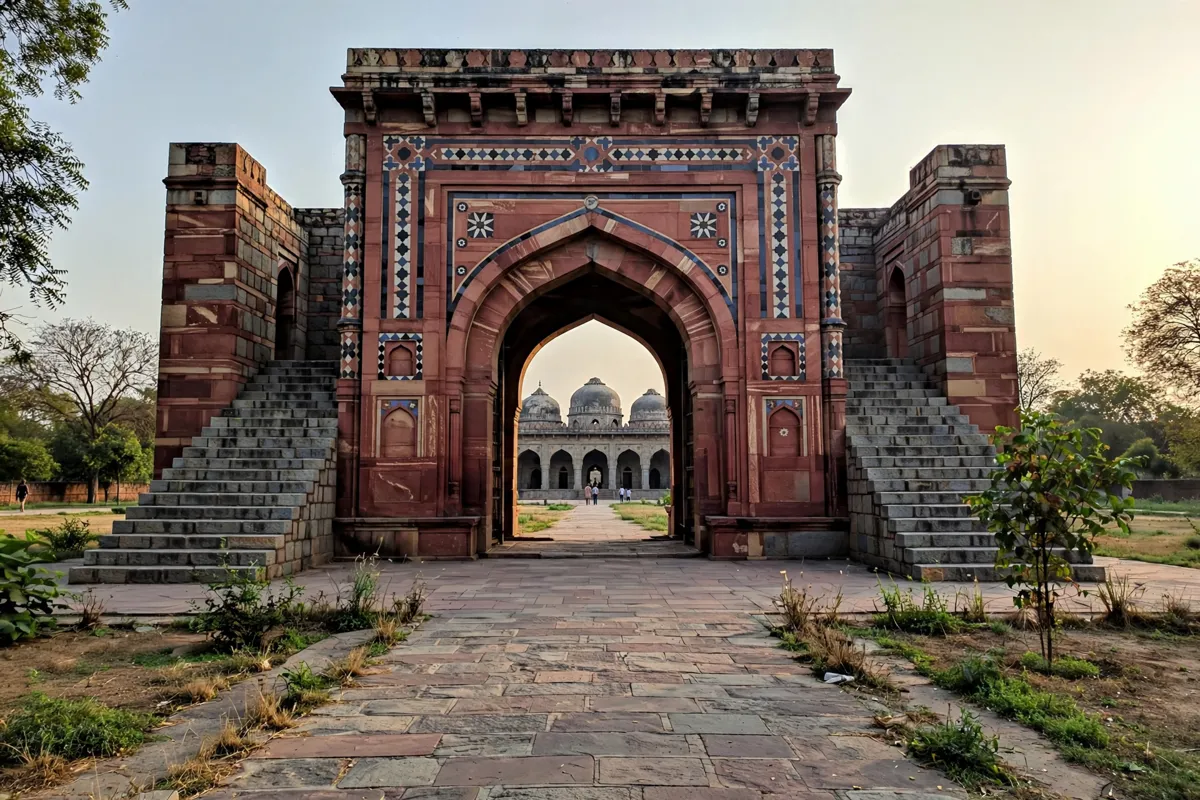
Delhi Tourism gives visiting hours as sunrise to sunset and says the site is open all days. The same source identifies South Extension station on the Pink Line as the nearest metro station. It does not provide directions from Green Park station, so avoid assuming that station-to-monument route details are established.
If Green Park is your starting point, a one-day New Delhi route from Green Park can help you plan the wider outing. The official page does not give an entry charge, suggested visit duration, accessibility details or visitor etiquette.
The ASI inventory records the mosque as not under religious use, but that does not establish current access arrangements. Check the official site before you go, particularly for current opening and access information.
FAQs
What does Moth Ki Masjid mean?
Delhi Tourism says the name means “Lentil Mosque.” A local tradition links the name to lentil-harvest proceeds said to have funded construction.
Who built Moth Ki Masjid?
The ASI inventory attributes the mosque to Miran Bhoya, a minister of Sikandar Lodi. Construction is dated to 1488 by an ASI historical account and to 1505 by Delhi Tourism.
Which metro station is nearest to Moth Ki Masjid?
Delhi Tourism identifies South Extension station on the Pink Line as the nearest metro station.
Is Moth Ki Masjid open every day?
Delhi Tourism states that the site is open all days, from sunrise to sunset. Check the official site before visiting for current access information.